How Long Will a 12V Fridge Run on a 100Ah Battery?
⚠ Affiliate disclosure: We may earn a commission if you purchase through our links, at no extra cost to you. This helps us keep creating free content for Aussie campers.
Last updated:
In This Guide
The short answer: a 100Ah lithium battery will run most 12V camping fridges for 40-80 hours. A 100Ah AGM battery will last roughly half that — 20-40 hours. The exact runtime depends on your fridge model, ambient temperature, how often you open the lid, and whether you’re running in fridge or freezer mode.
That’s a big range, so let’s narrow it down. Below we’ll walk through the simple formula, compare battery types, show real-world runtime estimates for popular Australian camping fridges, and give you practical tips to squeeze more hours out of your setup.
Related: Not sure which fridge to buy? See our guide to the best portable camping fridges in Australia for 2026.
Key Takeaways
- 100Ah lithium battery: 3-5 days runtime for most camping fridges
- 100Ah AGM battery: roughly half that — 1.5-2.5 days
- Lithium gives you nearly double the usable capacity of AGM at the same Ah rating
- A 120W solar panel is the sweet spot for indefinite off-grid runtime
- Pre-cooling on mains power before your trip saves 5-10Ah every time
The Simple Formula (Wh = Ah x V)
You don’t need an engineering degree for this. Here’s the formula:
Runtime Formula
Step 1: Battery capacity (Ah) × Usable percentage = Usable Ah
Step 2: Usable Ah ÷ Fridge draw (Ah per hour) = Runtime (hours)
Example: 100Ah lithium × 100% usable = 100Ah ÷ 1.5 Ah/hr average fridge draw = ~67 hours
The key number you need is your fridge’s average amp draw per hour. This isn’t the same as the compressor’s running amps — because the compressor cycles on and off. Most manufacturers list this on the spec sheet as “average current consumption” or “energy consumption per 24 hours.”
Here’s what that looks like with real camping fridges:
| Fridge Model | Avg Draw (Ah/hr) | 24hr Consumption | Runtime on 100Ah Lithium |
|---|---|---|---|
| Dometic CFX3 35 | 0.6 – 1.0A | ~18 Ah | ~100 – 133 hrs |
| Dometic CFX3 45 | 0.7 – 1.2A | ~22 Ah | ~83 – 114 hrs |
| Engel MT45F | 0.5 – 0.9A | ~15 Ah | ~111 – 160 hrs |
| BougeRV CRV35 | 0.8 – 1.5A | ~26 Ah | ~67 – 100 hrs |
| Dometic CFX3 55 | 0.9 – 1.4A | ~27 Ah | ~71 – 89 hrs |
Runtimes assume 32°C ambient temperature, fridge set to 4°C, lid opened occasionally. Your results will vary based on conditions — keep reading for the factors that matter most.
Lithium vs AGM — Why Battery Type Changes Everything
This is the single biggest factor most people overlook. A 100Ah battery doesn’t always mean 100Ah of usable power. It depends on the battery chemistry.
| Battery Type | Capacity | Safe Depth of Discharge | Usable Ah | Weight |
|---|---|---|---|---|
| AGM (Lead-Acid) | 100Ah | 50% | 50Ah | ~30kg |
| Lithium (LiFePO4) | 100Ah | 80–100% | 80–100Ah | ~12kg |
AGM batteries should never be drained below 50% — do it regularly and you’ll kill the battery within a year. So your “100Ah” AGM really only gives you 50Ah of usable power.
Lithium (LiFePO4) batteries can safely discharge to 80-100% of their capacity. Most quality lithium batteries have a built-in BMS that cuts off at 10-20% remaining, giving you 80-90Ah of usable power.
Here’s what that means in practice for a typical 45L fridge drawing ~1A average:
| Battery | Usable Ah | Runtime (~1A avg draw) | Days Off-Grid |
|---|---|---|---|
| 100Ah AGM | 50Ah | ~50 hours | ~2 days |
| 100Ah Lithium | 80–100Ah | ~80–100 hours | ~3–4 days |
That’s nearly double the runtime from the same “100Ah” rating. This is why the camping community has shifted heavily toward lithium — the upfront cost is higher, but the usable capacity and cycle life make it better value long-term.
Curious about which fridges are most power-efficient? See our Dometic vs Engel comparison — power draw is one of the biggest differences between these two popular brands.
5 Factors That Affect Your Runtime
The numbers above are estimates. In the real world, these five factors can dramatically shift your runtime up or down.
1. Ambient Temperature
The hotter it is outside, the harder your compressor works. A fridge drawing 0.8A in 25°C conditions might draw 1.5A+ at 40°C. Parking in shade vs full sun can make a 30-50% difference to your runtime.
2. How Often You Open the Lid
Every lid opening lets warm air in, forcing the compressor to work harder. On a busy day with frequent access, power draw can increase by 20-30%.
Pro Tip
Know what you want before you open the lid. Some campers put a piece of tape on the lid listing what’s on each side, so you’re not rummaging around with the lid open.
3. Fridge vs Freezer Mode
Running at 4°C (fridge mode) uses significantly less power than -18°C (freezer mode). Expect roughly double the power draw in freezer mode compared to keeping drinks cold at 4°C.
4. Insulation Quality
Premium brands like Dometic and Engel use thicker, higher-density insulation, meaning the compressor cycles less often. Budget fridges often cut costs here — the fridge still cools, but the compressor runs more frequently.
5. Pre-Cooling Before You Leave
The initial cool-down from room temperature is the most power-hungry phase, drawing 4-5x normal amps. If you do this on battery power, you’ll chew through 5-10Ah before the fridge even reaches temperature.
Important
Always pre-cool on mains power (240V) at home before loading food and heading out. This single habit can save you 10+ hours of battery runtime on every trip.
Real-World Runtime Table — Popular Camping Fridges
Here’s a practical reference table showing estimated runtimes for popular Australian camping fridges under typical conditions (32°C ambient, fridge set to 4°C, pre-cooled, lid opened occasionally).
| Fridge | Avg Ah/hr | 100Ah AGM (50Ah usable) | 100Ah Lithium (90Ah usable) |
|---|---|---|---|
| Dometic CFX3 35 | ~0.75A | ~67 hrs (2.8 days) | ~120 hrs (5 days) |
| Dometic CFX3 45 | ~0.9A | ~56 hrs (2.3 days) | ~100 hrs (4.2 days) |
| Dometic CFX3 55 | ~1.1A | ~45 hrs (1.9 days) | ~82 hrs (3.4 days) |
| Engel MT45F | ~0.65A | ~77 hrs (3.2 days) | ~138 hrs (5.8 days) |
| BougeRV CRV35 | ~1.1A | ~45 hrs (1.9 days) | ~82 hrs (3.4 days) |
These are conservative estimates based on manufacturer specs and real-world reports from Australian camping forums. In cooler conditions or with the lid kept closed, you’ll likely exceed these numbers. In extreme heat (40°C+), expect 20-30% less runtime.
Looking for the most efficient fridge for your setup? Our best camping fridges roundup ranks all of these by efficiency, value, and real-world performance.
How to Extend Your Runtime (5 Practical Tips)
You can’t change your battery’s capacity at camp, but you can reduce how much power your fridge draws. These tips can add hours — sometimes days — to your runtime.
Runtime Extension Tips
1. Pre-cool everything on mains power — Run your fridge on 240V at home for at least 4-6 hours before your trip. Load it with already-cold food and drinks.
2. Keep the fridge in shade — Under a tarp, in a ventilated canopy, or at minimum out of direct sun. Even partial shade can reduce compressor duty cycle by 30%.
3. Minimise lid openings — Open once, grab what you need, close quickly. Some campers use a separate esky for drinks and keep the fridge for food only.
4. Run in fridge mode, not freezer — If you don’t need to freeze anything, set the fridge to 3-5°C. Fridge mode typically uses 40-50% less energy than freezer mode.
5. Use an insulated cover or transit bag — They add an extra layer of insulation and can reduce power consumption by 10-20%. Well worth the $50-80 investment.
Do You Need Solar? When a Panel Pays for Itself
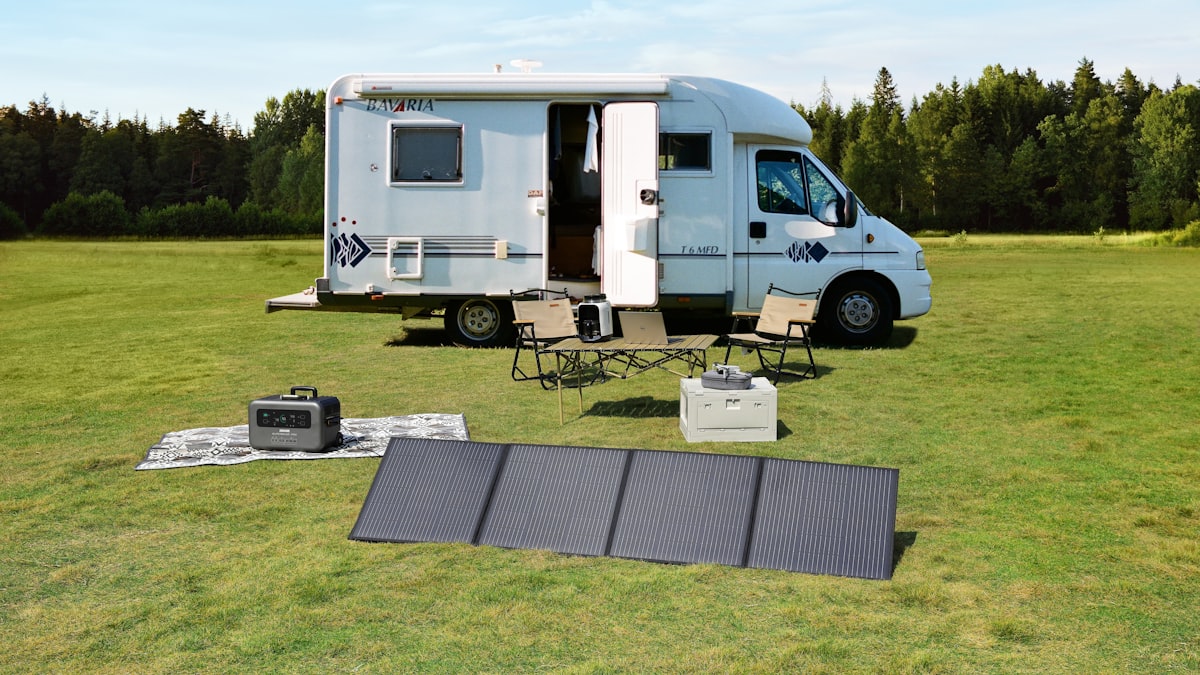
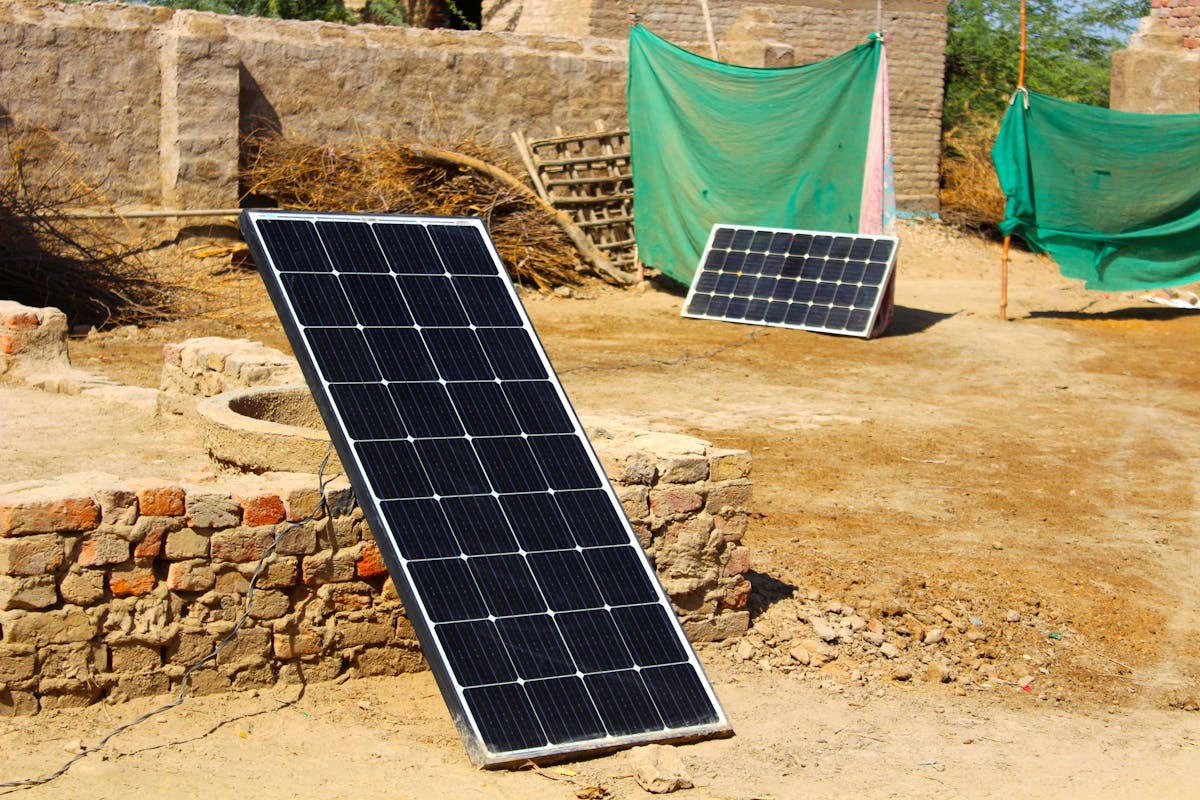
If you stay put for 3+ days without driving, a solar panel becomes essential. A typical 45L fridge draws 20-25Ah per day, while a 120W panel in good Aussie sun produces ~35Ah per day — more than enough for indefinite runtime.
| Solar Panel Size | Daily Output (est.) | Can It Keep Up With a 45L Fridge? |
|---|---|---|
| 80W | ~20-25Ah | Marginal — keeps up in mild conditions, falls behind in heat |
| 120W | ~30-35Ah | Yes — the sweet spot for most setups |
| 200W | ~50-60Ah | Easily — enough for fridge + charging devices |
Our recommendation: A 120W portable solar blanket or panel paired with a 100Ah lithium battery is the sweet spot for most Australian campers running a single fridge. It gives you effectively unlimited runtime in sunny conditions, which is most of Australia, most of the year.
Get Our Free Gear Buying Checklist
Compare specs, check measurements, and avoid costly mistakes. Plus weekly tips from Aussie campers.
No spam, ever. Unsubscribe in one click.
Frequently Asked Questions
+ Can I run a 12V fridge off my car's starter battery?
You can, but it's risky. If your fridge drains the starter battery below ~11.5V, your car won't start. Most quality 12V fridges have a built-in low-voltage cutoff to prevent this, but it's not foolproof — especially in cold weather where batteries already have reduced capacity. For anything more than a quick day trip, we strongly recommend a dedicated auxiliary battery.
+ What size solar panel do I need to keep a 12V fridge running?
A 120W panel is the sweet spot for most 35-55L camping fridges. It produces enough daily power (~30-35Ah in good sun) to offset a typical fridge's 20-25Ah daily draw, with some headroom. If you're in cloudy or shaded conditions, or running a larger fridge, step up to 160-200W.
+ Will a 12V fridge drain my battery overnight?
A typical 45L fridge draws roughly 8-12Ah overnight (8-10 hours). On a 100Ah lithium battery, that's only 8-12% of capacity — well within safe limits. On a 100Ah AGM, it's 16-24% of usable capacity. So for a single night, even an AGM battery will be fine. Problems arise on multi-day trips without recharging.
+ Is a 100Ah battery enough for camping?
For running a fridge alone, a 100Ah lithium battery is excellent — giving you 3-5 days of runtime depending on the fridge. If you're also charging phones, running LED lights, or powering a CPAP machine, you'll draw more. For most camping setups (fridge + lights + phone charging), 100Ah lithium is the minimum recommended.
+ How do I check how many amps my fridge is actually drawing?
The easiest method is a DC clamp meter (available from Jaycar or any electronics store for $30-50). Clamp it around the positive DC cable running to your fridge and it'll show you the live current draw. For ongoing monitoring, a battery monitor like the Victron BMV-712 tracks cumulative amp-hours consumed.